Navigating the design standards for flat roof specifications
Design considerations, Industry best practice, Building standards and regulations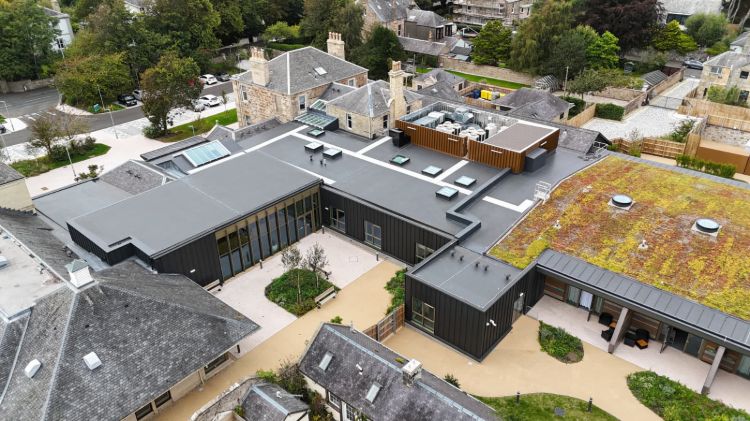
How Bauder supports specifiers to ensure the roof meets performance criteria
Bauder offers free, comprehensive flat‑roof specification support that helps architects manage the technical, regulatory, and design challenges associated with flat‑roof construction. With 24 Bauder systems carrying 16 CCPI (Code for Construction Product Information) marks, specifiers can rely on information that is “clear, accurate, up to date, accessible, and unambiguous.”
Flat roofs are often perceived as simple. In practice, they present a range of design and compliance challenges. Bauder’s in‑house technical team works closely with specifiers to provide single‑point guidance that saves time, reduces design risk, streamlines project delivery, and ensures compliance.
We ensure our specifications comply with building regulations by putting clear systems, checks, and responsibilities in place. In practice, it’s a mix of technical knowledge, quality control, and good communication.
Competency is important to us as it underpins trust, reliability and long-term success for the flat roof projects we deliver for clients. By consistently demonstrating our expertise, clients feel confident that our products, services and guidance are accurate, safe and effective.
Staying up-to-date with building regulations
We don’t just monitor the changes to building regulations, Approved Documents, British Standards, and industry guidance relating to flat roofing, our Standards and Compliance Director, Nigel Blacklock, is actively involved and consults on the content of many standards and advisory panels. This representation enables us to have direct and immediate access to evolving information that is then shared across the company through CPD training, either in person or video conferencing sessions, as well as producing technical bulletins and white papers.
Our specifications and technical calculations are created for each project and roof areas involved. Technical calculations are produced specifically for and comply with the latest versions of:
- Building Safety Act 2022
- BS 6229:2025 - Flat roofs with continuously supported flexible waterproof coverings
- The nine Approved Documents relating to the design of flat roof solutions from Building Regulations.
- The eight British Standards for technical calculations associated with flat roof solutions.
It is important to be aware that Bauder specifications, calculations and solution designs are based solely on test data for Bauder systems and can’t be applied to alternative solutions. Any alternative proposer must evidence compliance using their own calculations and independent testing.
Some of the key regulations and standards we follow when creating our bespoke specifications include:
Structural and load compliance – Approved Document A
Bauder provides weight‑load calculations in accordance with BS EN 1991‑1‑1 to confirm that proposed roof build‑ups do not exceed the building’s structural capacity. This is particularly important for blue roofs, green roofs, and roofs with heavier insulation layers, where load implications influence material selection.
Wind‑load design is also supplied to BS EN 1991‑1‑4, ensuring resistance to wind uplift - critical for tall buildings and exposed sites.
Thermal performance – Approved Document L
U‑value calculations and thermal‑bridging assessments are completed in line with BS EN ISO 6946 and BR 443. These ensure the roof meets the thermal requirements of Approved Document L. Incorporating these calculations early helps architects achieve energy‑efficiency targets and avoid costly redesigns later in the project.
Drainage and tapered insulation – Approved Document H
Bauder designs roof drainage layouts to BS EN 12056‑3, reducing the risk of standing water and long‑term membrane damage.
Where structural falls are not feasible, Bauder’s tapered insulation schemes provide both drainage and thermal performance. These schemes support compliance with BS 6229:2025, Approved Document H (Drainage), and Approved Document L (Conservation of Energy), while also reducing structural complexity and saving internal space.
Acoustic performance – Approved Document E
Depending on the system specified, Bauder offers acoustic assessments tested to BS EN ISO 10140‑2:2021. This is especially important for schools, hospitals, and other environments where noise transfer affects wellbeing, concentration, or recovery.
Moisture control – Approved Document C
Condensation risk analysis uses modelling based on BS EN ISO 13788 (2012), helping architects prevent interstitial condensation and meet the moisture‑management expectations of BS 5250 and Approved Document C. Compliance with BS 6229:2025 further ensures a jointed system impervious to moisture and offering weather resistance.
National Standards for SuDS Compliance - Blue roofs
In response to increasing rainfall intensity and sustainable drainage systems (SuDS) requirements, Bauder provides H-max capacity calculations and discharge reports for blue roofs designed to attenuate a 1:100-year storm event. These reports help architects meet both planning conditions and environmental targets.
Collaboration in practice: Ayrshire Hospice
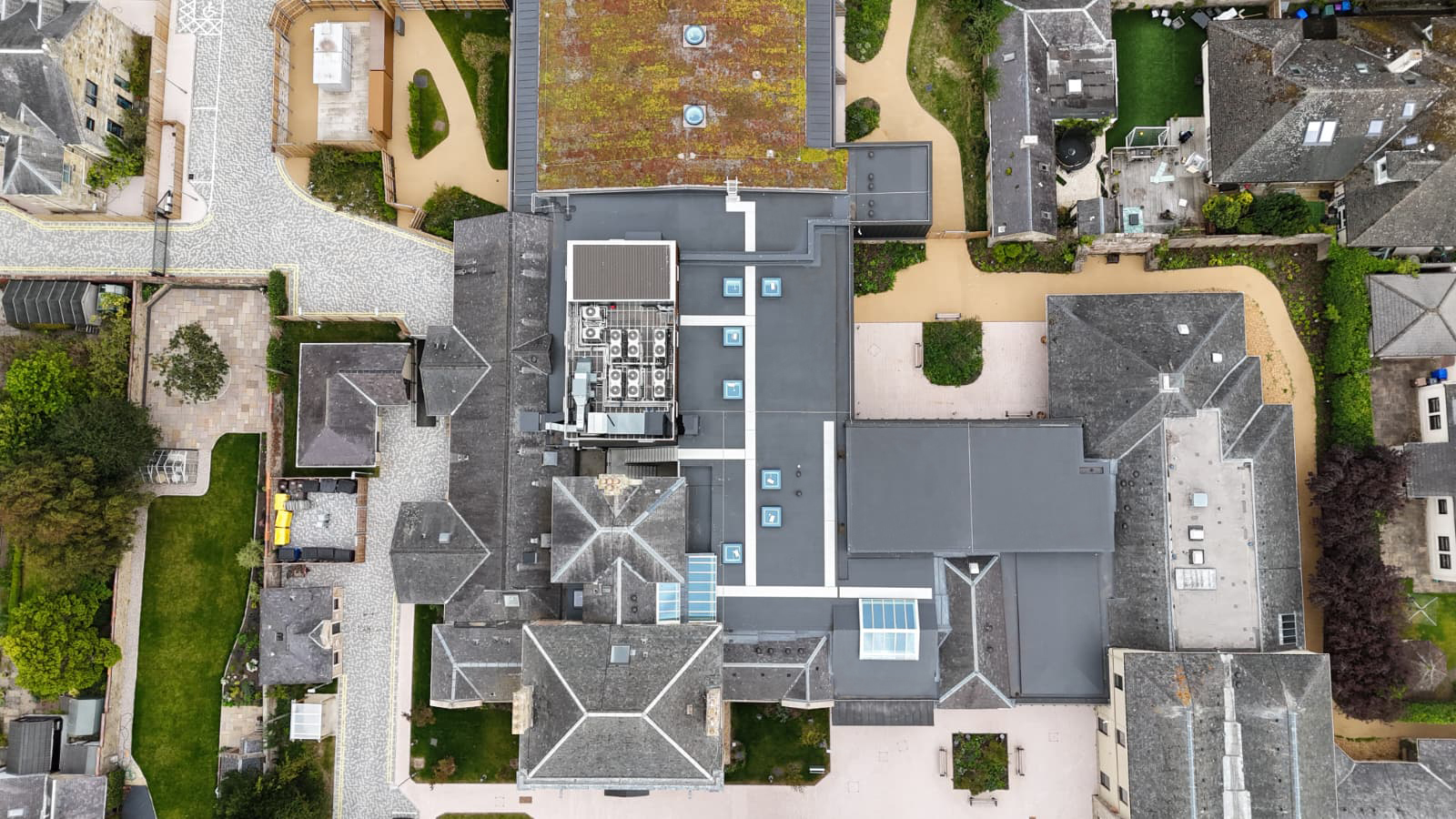
For the extension of a 201‑year‑old Category B listed hospice, Bauder worked closely with Austin‑Smith: Lord LLP to deliver fully compliant flat‑roof waterproofing systems and green roof upgrades. The multi‑layer green‑roof design balanced heritage sensitivity with modern performance and is backed by 20 years of assured design, warranty, and system reliability. The project enables the charity to expand its care across Ayrshire and Arran.
Our compliance-led support embraced bespoke technical calculations including:
- thermal performance and design of falls
- wind load
- evidenced fire performance
- assessing and controlling moisture to prevent condensation
- drainage calculations for rainwater run-off
- access and protection from falling during maintenance works
Bauder’s specification service gives architects a single, dependable point of contact for flat‑roof design, ensuring systems meet regulations while supporting the project’s technical, aesthetic, and performance goals.